Eva Poulopoulou
Visual Storyteller
I wear many hats. Architect turned artist. Graphic novelist. Explorer of space, emotion, and story.
My background allows me to move fluidly between disciplines, connecting design, art, and storytelling in unexpected ways.
Through my studio, PULU, I craft visual worlds that merge architectural thinking with narrative imagination — transforming ideas into compelling visual stories, illustrations, graphics and design experiences. I use my multidisciplinary skill set to help clients and collaborators communicate complex ideas with clarity, emotion, and impact.
Trained in architecture and digital arts, I’ve worked internationally as an architect, designer, and animator in Athens, Paris, New York, and Amsterdam, where I’ve been based for the past decade. My practice is grounded in precision, curiosity, and a belief that design can build meaning as much as it builds form.
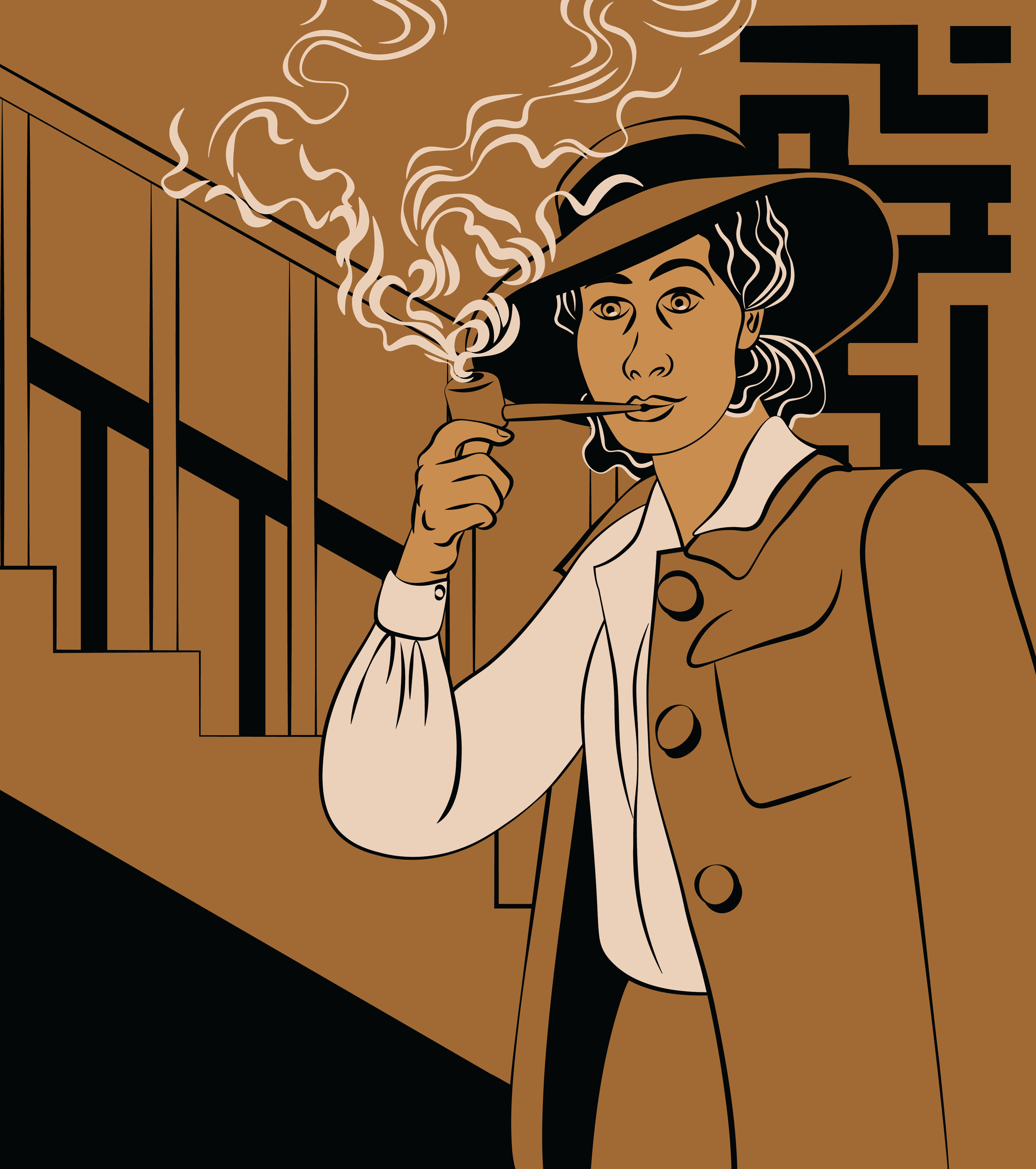
Comics are an incredible storytelling tool because they do what few other mediums can: mix words and images into a single, seamless experience. Panels work like camera shots, guiding the eye with cinematic rhythm, while text adds voice, context, and emotion. Together, they hit harder than either could alone. This blend makes comics vivid, memorable, and easy to connect with. Complex ideas become clear, emotions feel immediate, and even the wildest worlds feel grounded and real. Comics don’t just tell stories—they show them in a way that sticks.
Graphic novels take this power further, using a larger canvas. They carry the depth and scope of a novel while retaining the immediacy of comics, making them perfect for stories that demand complexity, nuance, and emotional weight. From intimate memoirs to epic adventures, graphic novels demonstrate that the medium is a fully realized art form in its own right.
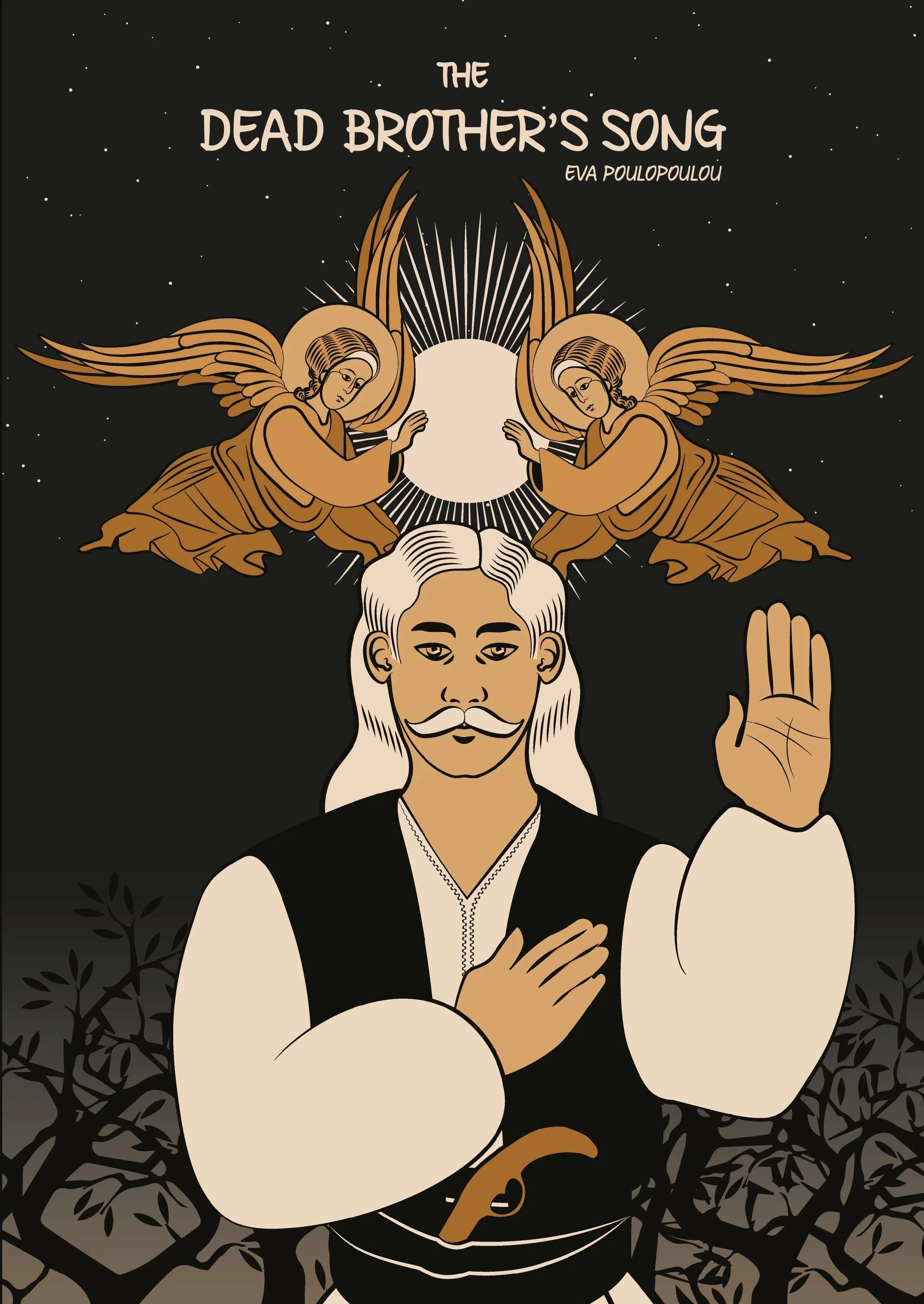
Graphic Novels
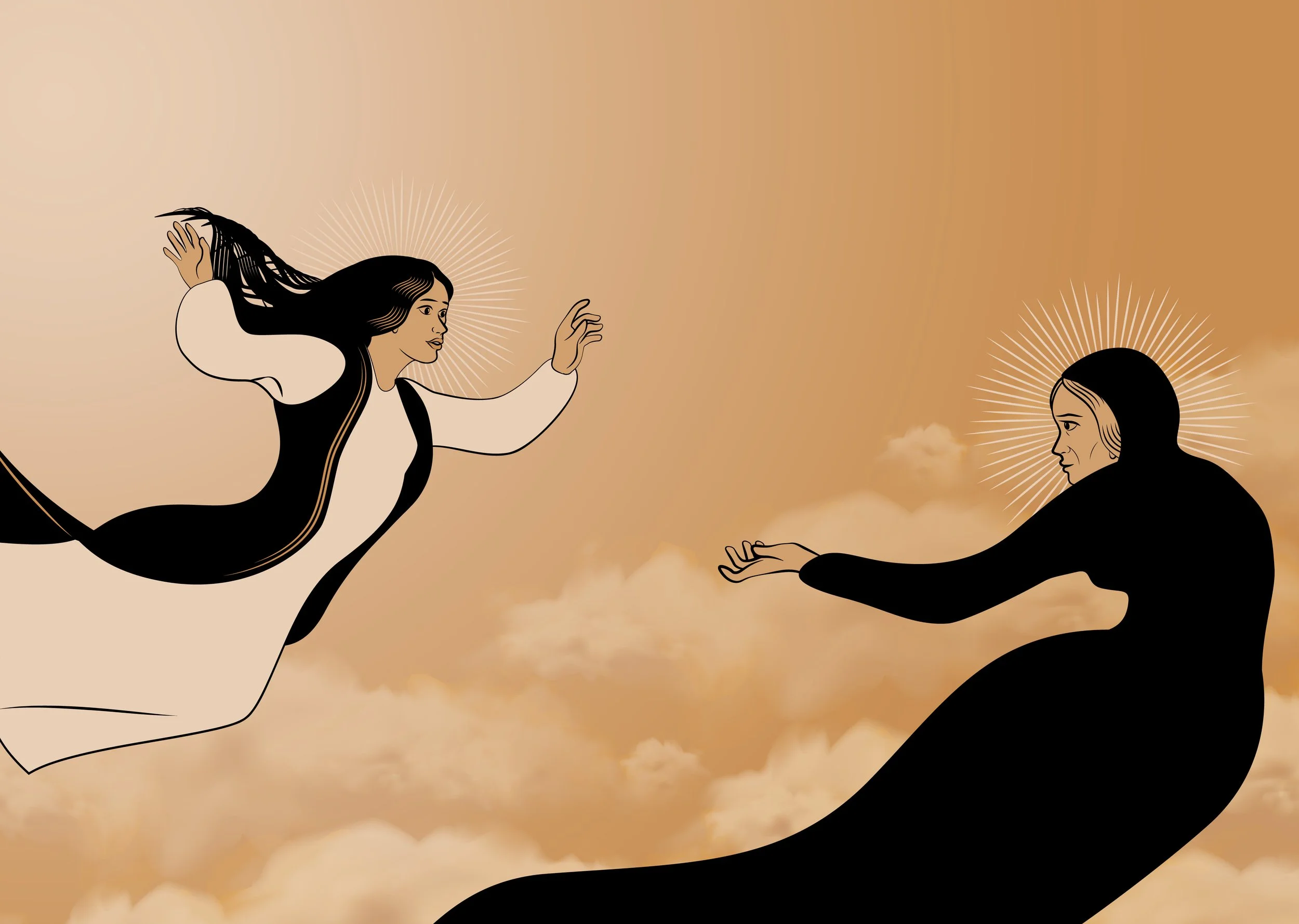
Single-Image Narratives
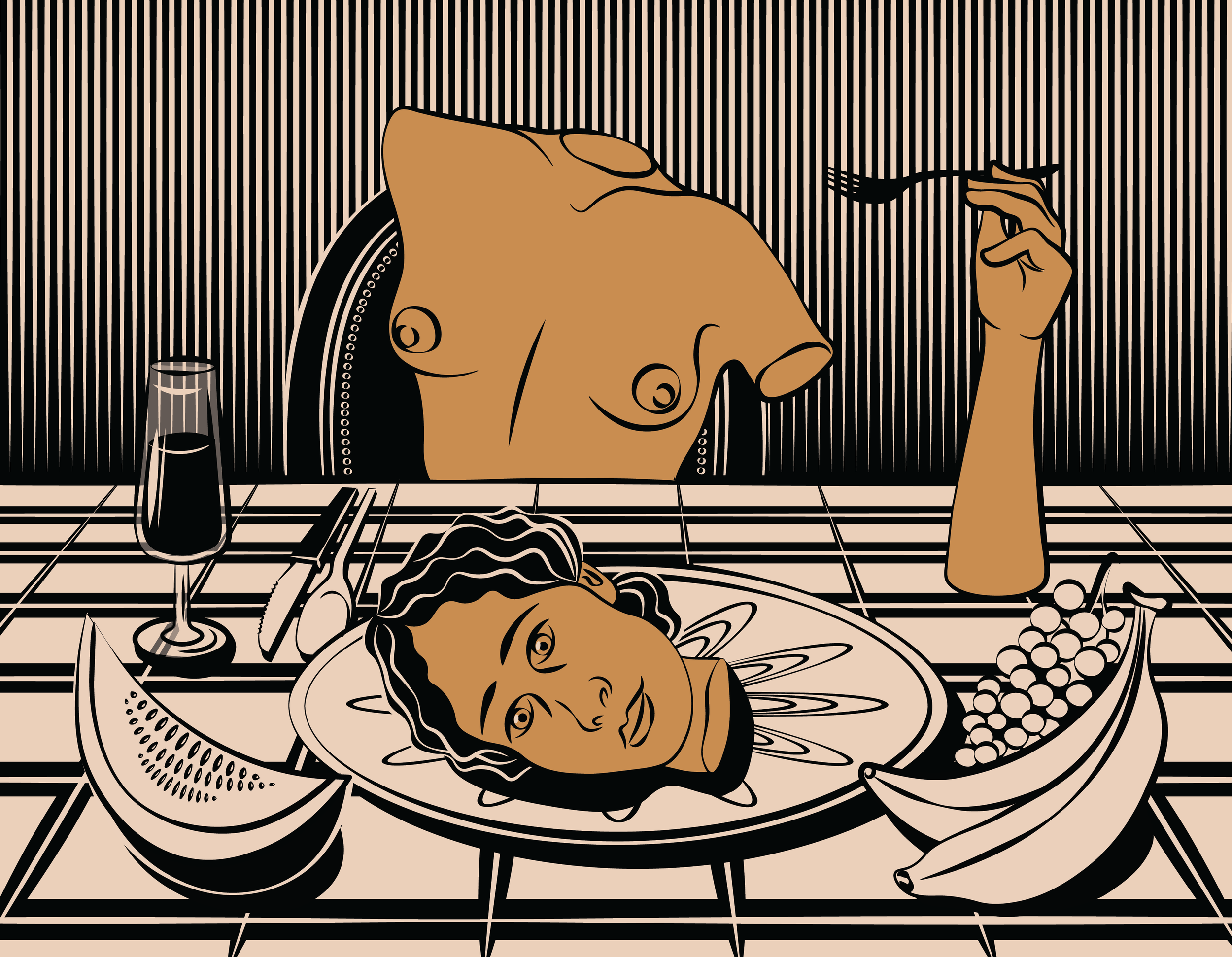
Telling a story through a single image invites the viewer to step in, engage and co-create the narrative. The openness of this form makes the visual experience more personal, leaving space for multiple interpretations and layers of meaning. At times, I like to pair these images with just a few lines of text—a short poem or a haiku—that either deepens the story or playfully challenges it.
“Autocannibalism”
Graphic Design
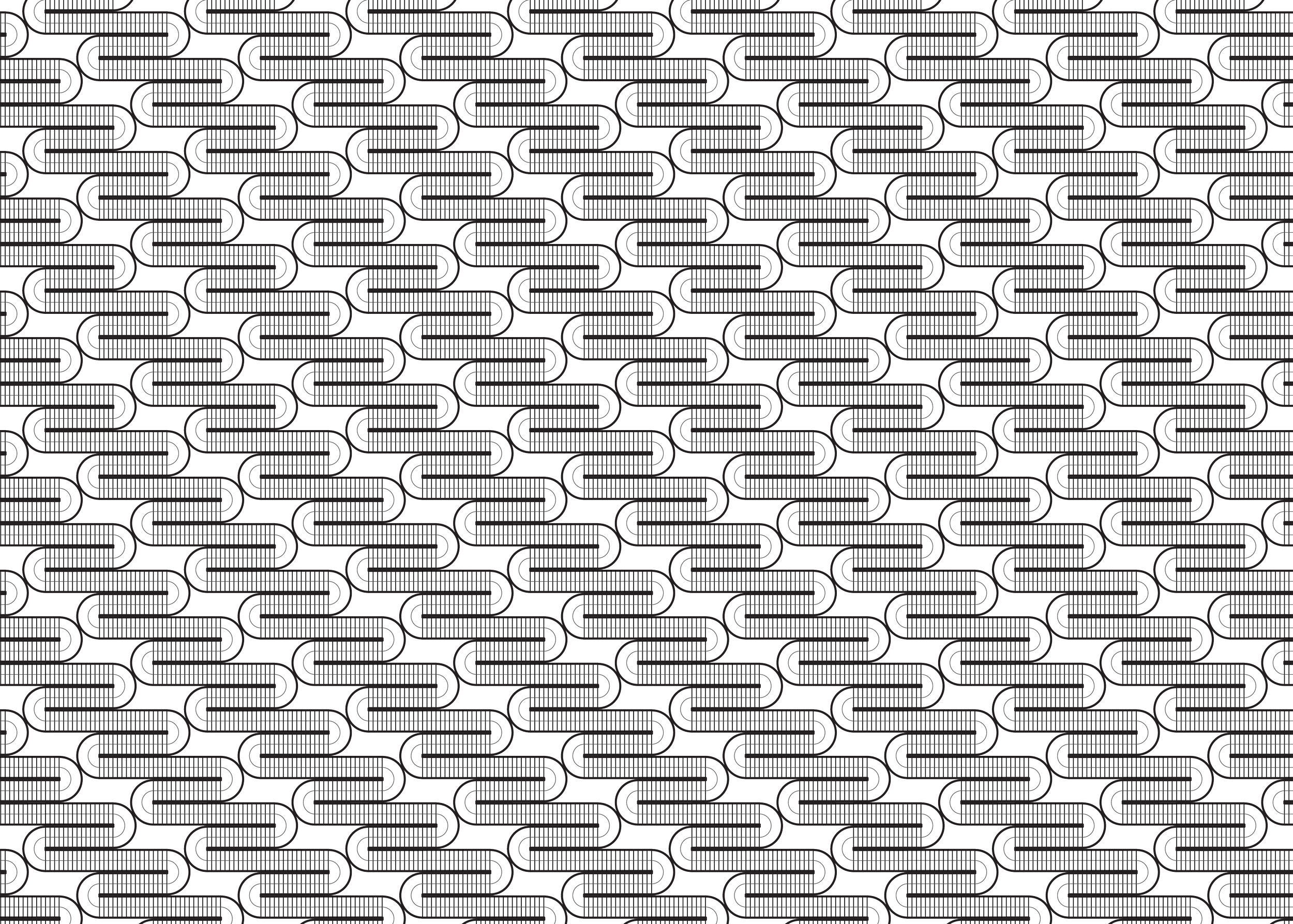
Patterns are everywhere—woven into nature, embedded in the structure of the universe, imprinted in our minds, and reflected in our behavior. They give shape to reality, offering structure, predictability, and sometimes even the illusion of control. Patterns can be comforting, pleasing, and difficult to break—even when change is necessary.
My own journey with patterns began in architecture, guided by the precision and elegance of architectural drawings. Gradually, as I allowed myself to wander and disrupt my own creative routines, those patterns began to shift. They loosened, shed their rigidity, and moved beyond decoration. What emerged was something deeper: patterns as vessels of meaning, patterns as meditations on infinity.
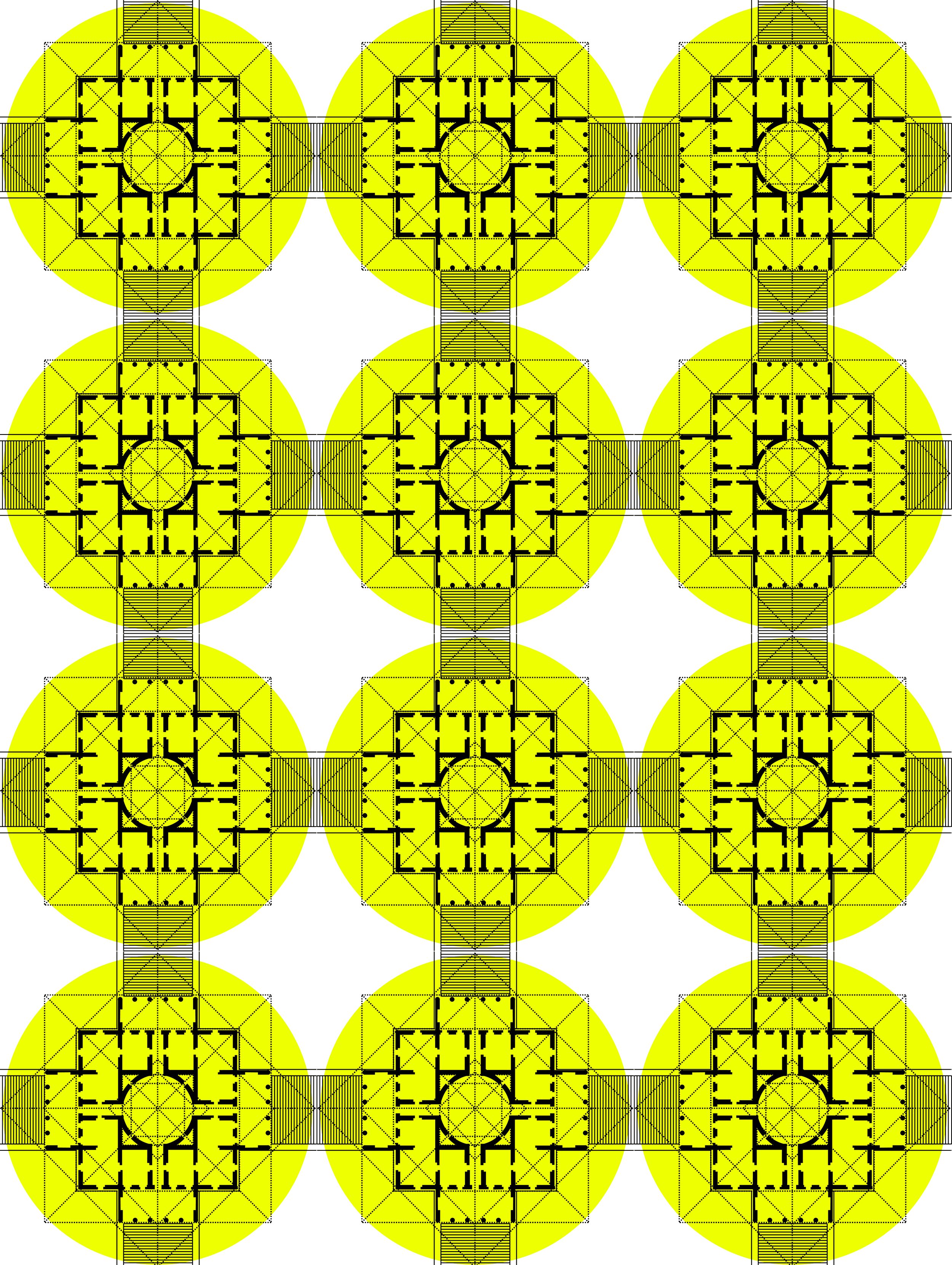
“Villa Rotonda”
“Infinity Stairs”
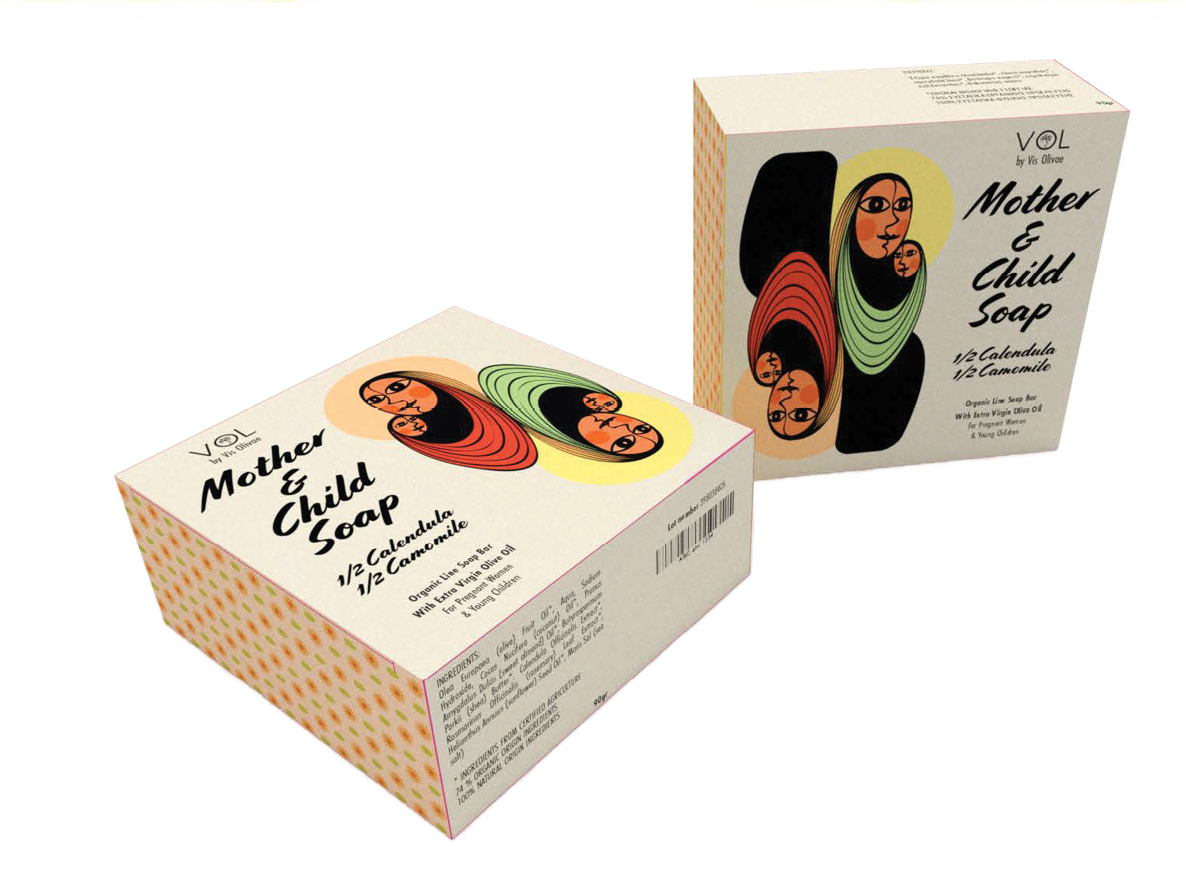
Every brand needs a face, a voice, and a story so it’s not just seen, but felt. Visual identity gives it the face, a look built through colors, graphics, and typography that make it instantly recognizable. Branding gives it the voice, the emotions, values, and tone that make people care. Packaging seals the deal bringing it all to life as the first touchpoint that turns curiosity into connection. Together, they turn products into experiences and logos into love stories. It’s design with purpose. Bold, consistent, hard to ignore.
“Mama & Baby” Soap
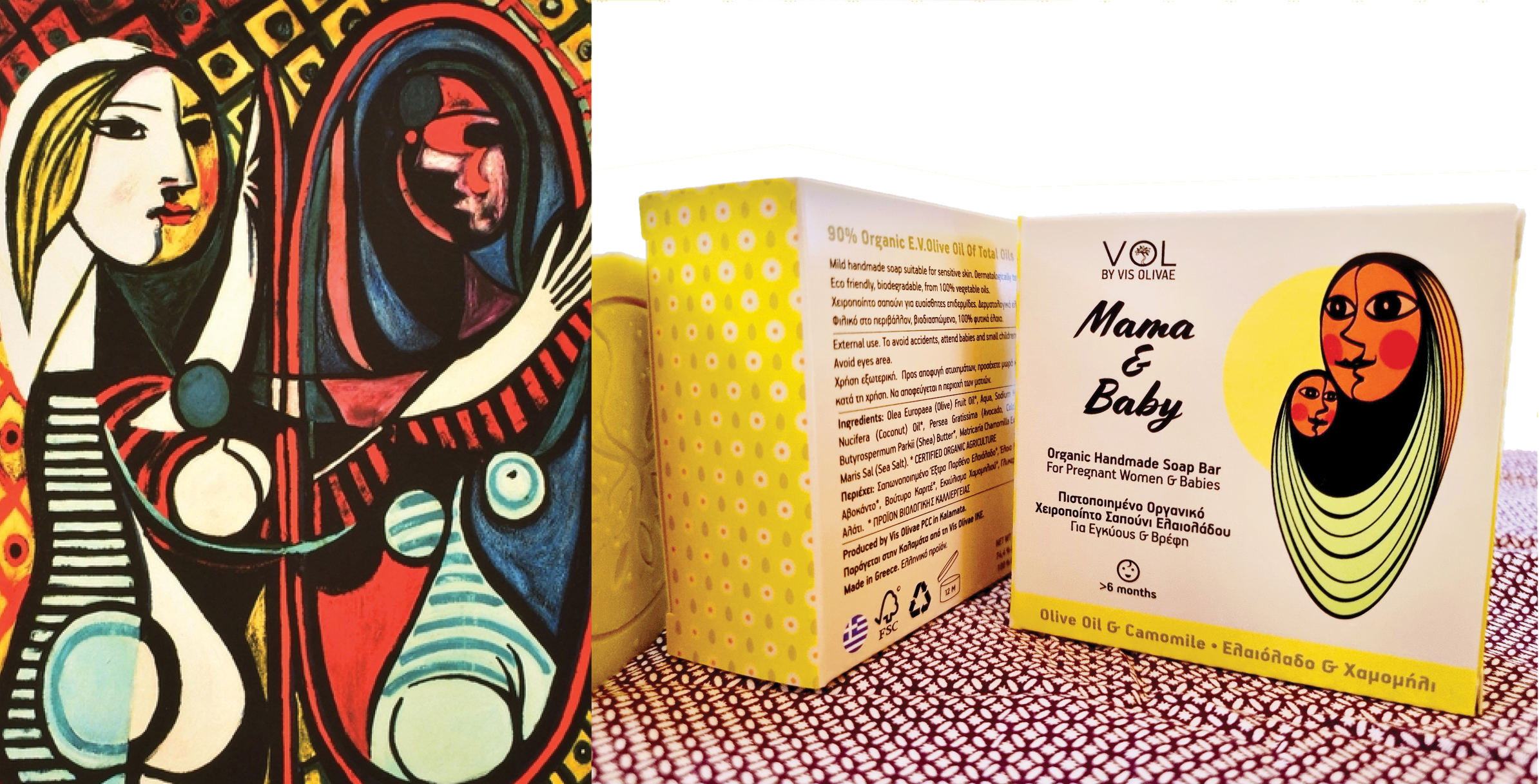
Inspired by “Girl before a Mirror” by Pablo Picasso